Complete Building Solutions for Every Undertaking
Comprehensive construction services are required for the successful management of any construction project. They facilitate smooth cooperation across all phases, ensuring good interaction and coordination among teams. This technique not only limits delays but also enhances adherence to budgets and timelines. As stakeholders seek greater outcomes, learning about the various services available becomes increasingly key. What specific elements shape a project's success, and how can they be properly put into practice?
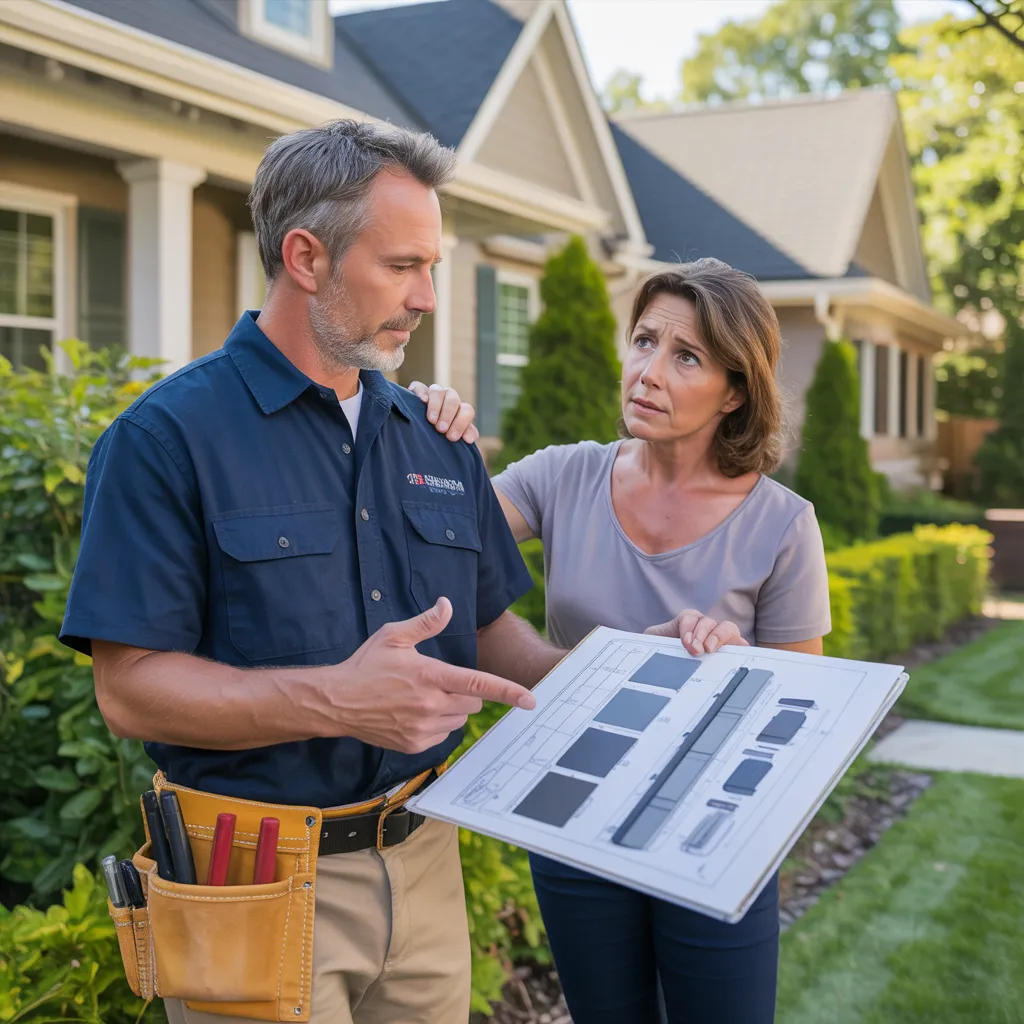
Why Thorough Development Offerings Are Necessary
Thorough construction services are essential because they streamline the building process, guaranteeing that all project phases are integrated effectively. These services encompass a range of activities, including planning, design, and execution, which contribute to the overall achievement of a project. By coordinating various teams and resources, extensive building solutions reduce the likelihood of misunderstandings and delays.
Furthermore, they support commitment to timelines and budgets, resolving potential issues proactively. This structured framework builds a collaborative environment, permitting stakeholders to engage frankly and effectively.
Furthermore, comprehensive services ensure adherence with local regulations and safety standards, reducing risks connected to construction activities. Overall, the incorporation of detailed construction services enhances project quality, resulting in sustainable and long-lasting outcomes. In an industry where precision matters, such services provide the necessary framework for achieving client satisfaction and meeting project goals.
Critical Building Services for Property Owners
Homeowners seeking to elevate their residential areas can reap significant benefits from fundamental renovation services designed for their unique circumstances. These services encompass a selection of services, such as remodeling, renovations, and repairs, which allow homeowners to convert outdated areas into contemporary, practical environments. Kitchen and bathroom remodels often produce significant returns on investment, increasing both aesthetics and utility.
In addition, external maintenance including roofing and siding repairs confirm the home remains safe and visually appealing. Landscaping and outdoor living modifications form inviting environments for rest and entertainment.
Homeowners can likewise benefit from energy-efficient upgrades, which reduce utility costs while promoting sustainability. By engaging skilled professionals, homeowners can navigate the complexities of construction projects with efficiency, assuring conformity to local regulations and timelines. Overall, these vital offerings enable property owners to achieve their goals, ultimately enhancing property value and quality of life.
Main Offerings for Commercial Construction
Across the landscape of commercial construction, proficient project coordination and superior material sourcing function as fundamental elements. These support systems promise that projects are accomplished on schedule and within financial parameters while sustaining high standards. Appreciating their relevance can produce more successful construction conclusions.
Project Supervision Competence
While moving through the complexities of commercial construction, competent project administration becomes essential to guarantee timely delivery and budget adherence. Expert project coordinators play a key position in supervising various facets of a construction project, including time management, resource distribution, and communication among stakeholders. They deploy advanced methodologies to prevent complications and manage unexpected setbacks, ensuring that projects maintain momentum. By capitalizing on technology and data analytics, project managers can enhance analytical capabilities, refining efficiency and productivity. Moreover, their ability to foster collaboration among contractors, architects, and clients is vital for synchronizing aims and attaining project goals. Ultimately, strong project management expertise serves as the backbone of thriving construction projects endeavors, driving projects from development to finalization with precision.
Quality Material Supply
Quality material sourcing is a vital element in the landscape of commercial construction, directly influencing project durability and overall success. Efficient procurement requires selecting high-quality materials that meet specific project requirements while maintaining budget constraints. This process often demands building strong relationships with dependable vendors to guarantee timely delivery and consistency in quality. Additionally, comprehending local regulations and environmental standards plays an essential role in sourcing decisions. By emphasizing quality materials, construction firms can improve structural integrity and reduce long-term maintenance costs. Ultimately, a focus on quality material sourcing both supports a project's immediate goals but also contributes to its longevity and resilience in a competitive market.
Selecting the Top Construction Services for Your Project?
When determining construction providers, it is vital to specify project requirements clearly to ensure alignment with goals. Assessing the proficiency of potential vendors further boosts the chances of a successful conclusion. Thoughtful consideration of these aspects can lead to a more efficient and productive construction endeavor.
Define Project Specifications Clearly
Clearly specifying project needs is vital for selecting the most appropriate construction services. This includes pinpointing specific project targets, timelines, budgets, and necessary materials. A well-articulated scope of work helps confirm that all stakeholders have a shared grasp of expectations. Additionally, listing any regulatory requirements or site-specific conditions can prevent potential delays and misunderstandings during the construction process. By establishing clear criteria early on, project managers can effectively communicate their needs to potential service providers, allowing for more well-considered decision-making. Ultimately, thorough recording of project requirements not only simplifies the selection process but also sets the foundation for successful project execution and minimizes the risk of costly revisions later on.
Examine Service Provider Proficiency
How can construction supervisors guarantee they choose the most qualified construction contractors? Evaluating the qualifications of potential contractors is crucial. This process begins with reviewing each contractor's portfolio, which displays past assignments and relevant background. Project managers should also verify certifications, qualifications, and coverage to verify adherence with industry standards. Gathering recommendations and customer feedback can offer understanding into a contractor's reliability and craftsmanship. Furthermore, conducting interviews allows project managers to evaluate communication skills and understanding of project requirements. Analyzing quotes not only on price but also on scale, schedules, and standards can additionally aid in decision-making. In the end, a comprehensive assessment of contractor qualifications lays the foundation for effective project execution and fulfillment.
Improving Your Building Project Effectively
Constructing projects with productivity demands that you adopt a systematic approach designed to minimize delays and optimize resource allocation. Clear dialogue among team members is crucial, ensuring that all stakeholders maintain alignment with project goals and timelines. Utilizing project management software can streamline workflows, allowing for source real-time updates and task tracking.
Likewise, putting into place a phased approach enables groups to zero in on defined project components, curtailing the likelihood of overlapping tasks that can cause perplexity. Frequent milestone reviews and adjustments according to performance metrics aid in discovering potential bottlenecks ahead of time.
Establishing defined roles and responsibilities fosters accountability, driving teams to meet deadlines without sacrificing quality. Furthermore, participating in active hazard prevention prepares teams for unforeseen challenges, allowing swift responses that keep projects on track. By combining these strategies, construction projects can achieve greater efficiency, lowering costs and enhancing overall outcomes.
Creating a Sustainable and High-Quality Construction Project
Adopting sustainable practices in construction not only improves construction standards but also minimizes environmental impact. By incorporating sustainable materials and techniques, construction companies can significantly decrease waste and energy consumption. This approach not only satisfies compliance standards but also attracts environmentally conscious clients.
Leveraging eco-friendly materials, such as bamboo or recycled metals, improves durability while decreasing carbon footprints. Additionally, utilizing energy-efficient technologies, like solar panels and advanced insulation, guarantees long-term operational savings and improved building performance.
Engaging green-certified professionals further upgrades project standards, ensuring conformance with sustainability benchmarks.
Additionally, creating a waste management plan during the building stage can enhance efficiency, lowering costs and environmental harm.
Ultimately, a dedication to sustainable building practices produces premium builds that appeal to both the public and investors, building a heritage of ethical building standards. Such commitment not only strengthens the image of construction organizations but also contributes to a greener world.
Common Inquired Questions
What Are the Average Timeframes for Construction Initiatives?
Typical timelines for construction projects vary widely, generally ranging from a few months to several years. Factors influencing duration include project scale, intricacy, permitting processes, weather conditions, and availability of resources, impacting overall completion time.
What Should I Do About Surprising Building Interruptions?
To manage unexpected construction delays, one should assess the situation, consult with stakeholders, adjust timelines, and explore solutions. Adaptability and strategic foresight can reduce negative effects and maintain project momentum despite setbacks.
What Licenses Are Necessary for Construction Undertakings?
Several permits are obligatory for construction projects, embracing building, electrical, plumbing, and zone permits. The relevant requirements are based on local regulations, project scope, and location, compelling liaison with local authorities for compliance and guidance.
In What Ways Is Construction Budgeting Monitored Across the Building Timeline?
Project budget management is controlled via regular monitoring of costs, modifying projections based on real expenditures, and maintaining communication among stakeholders. This guarantees adherence to budget objectives and timely identification of potential overruns or savings.
What Safety Requirements Are Adopted on Construction Sites?
Construction sites implement various protective procedures, including routine training sessions, use of safety gear, visible signs, workplace audits, crisis procedures, and compliance with regulations to minimize risks and ensure the well-being of workers.